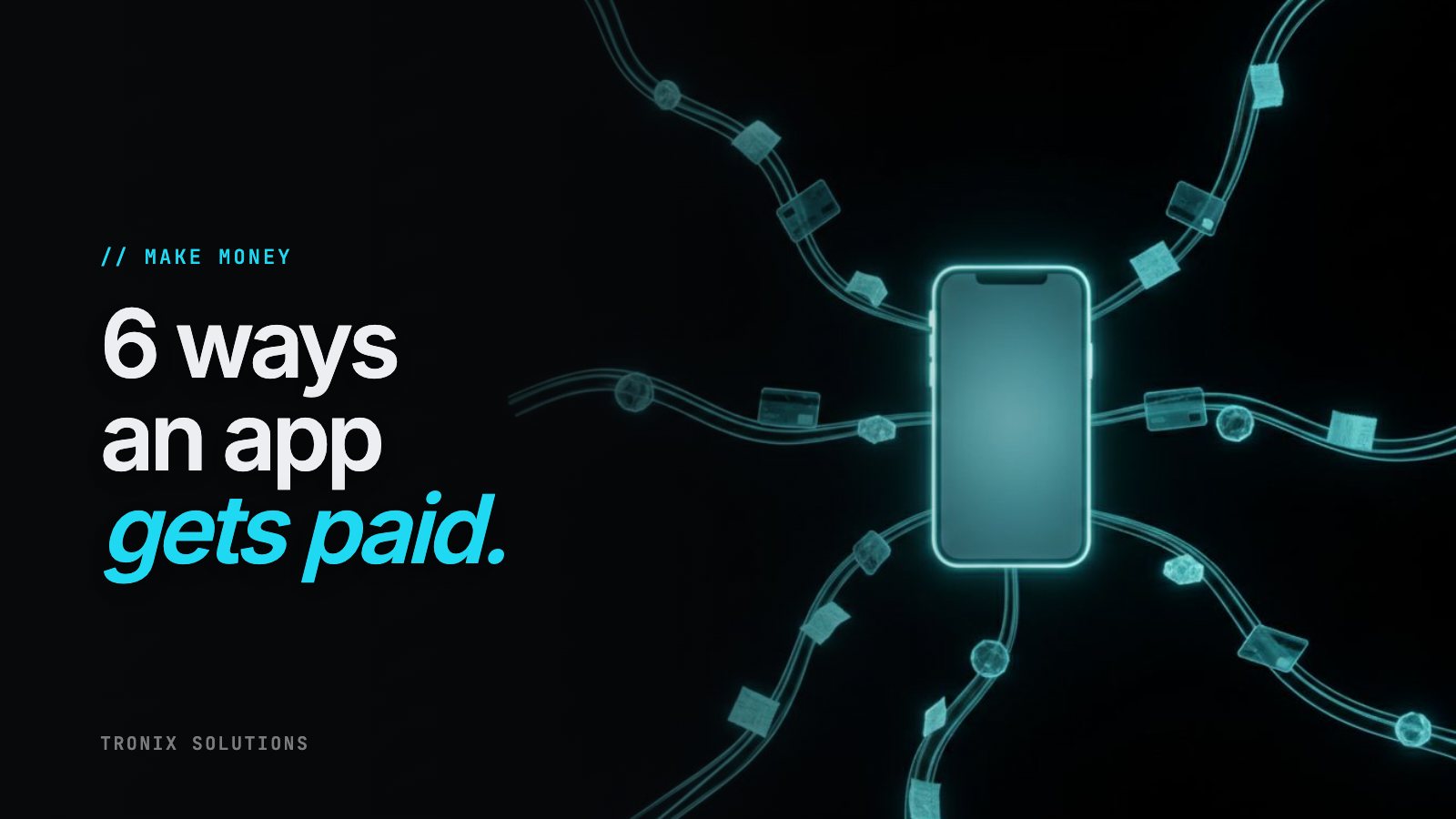
E-commerce is sold as passive income, but anyone who has run a store knows the truth: you are running a logistics business. Apps are different because the product is digital. Once it is built, it can be delivered to the next customer instantly, at any hour, without you.
What running a store really involves
- Ordering inventory up front and hoping it sells.
- Supplier minimums, delays, and surprise price increases.
- Packing, shipping, tracking, and lost packages.
- Returns, refunds, and chargebacks that eat margin.
- Ad costs that rise every time a competitor copies your product.
What running an app involves
- No inventory. The product never runs out.
- No shipping. Customers download it in seconds.
- Near-zero cost per extra customer.
- Automatic renewals through the App Store, Google Play, or Stripe.
- Hosting, updates, and maintenance, which we can handle for you.
The margin difference
A store pays for the product, the packaging, the shipping, and the platform on every order. An app pays a platform fee (Apple and Google keep 15–30% of in-app sales) and a small hosting cost. What is left is yours, and with subscriptions, it comes back next month without another sale.
Where apps take more effort
Building an app takes more up-front investment than opening a store, and it needs a clear reason for people to keep paying. That is the trade: more work at the start, far less work every month after. We make the start predictable with a fixed price, a fixed timeline, and a guarantee that it ships on time and on budget, or you do not pay.