People buy rental property for one reason: it is an asset that pays them every month whether they show up or not. The tenant pays rent, the property gains value, and eventually you can sell it. A well-built app follows the same playbook. The difference is what it costs to get in and what it takes to keep it running.
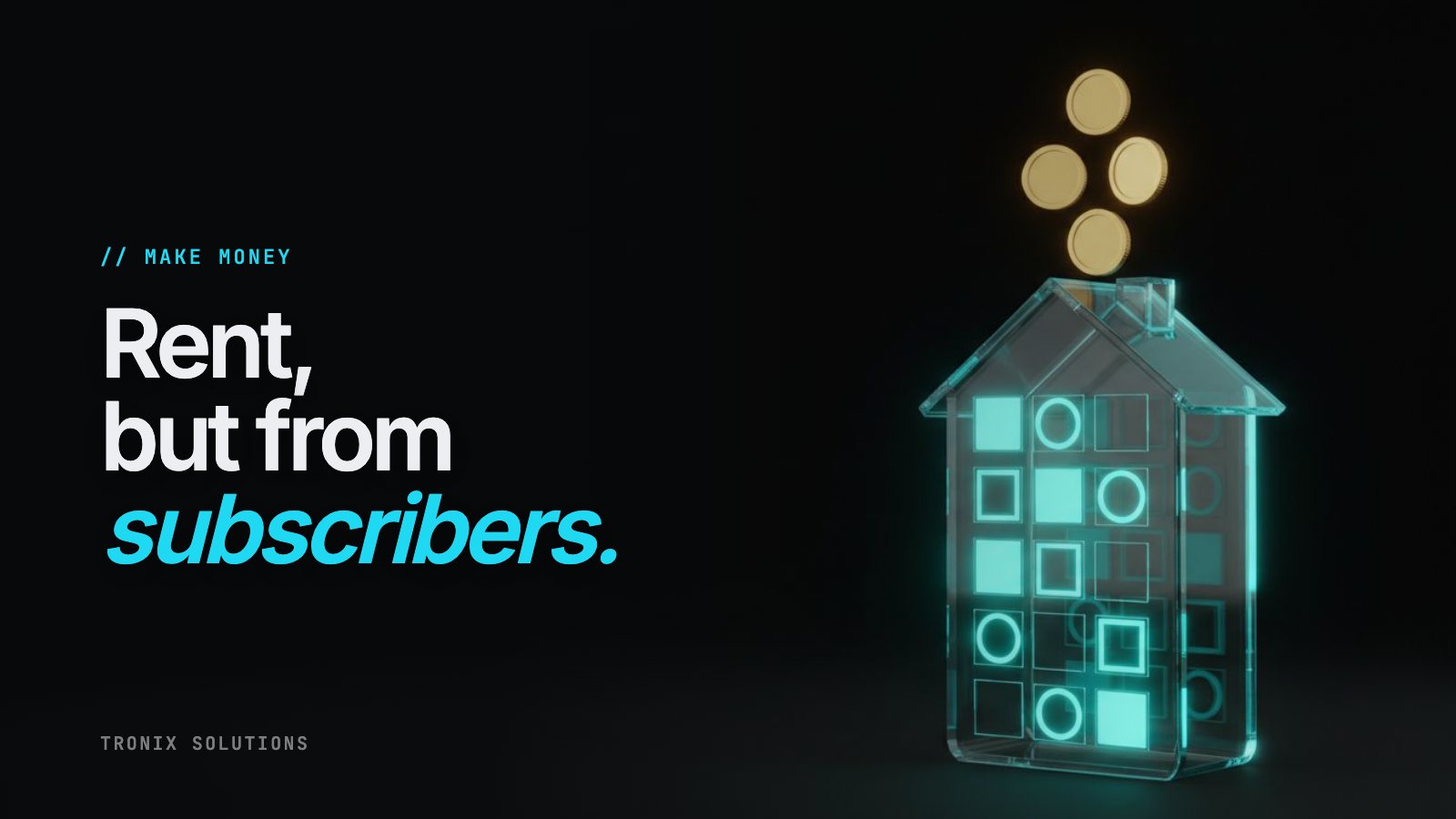
Rent, but from subscribers
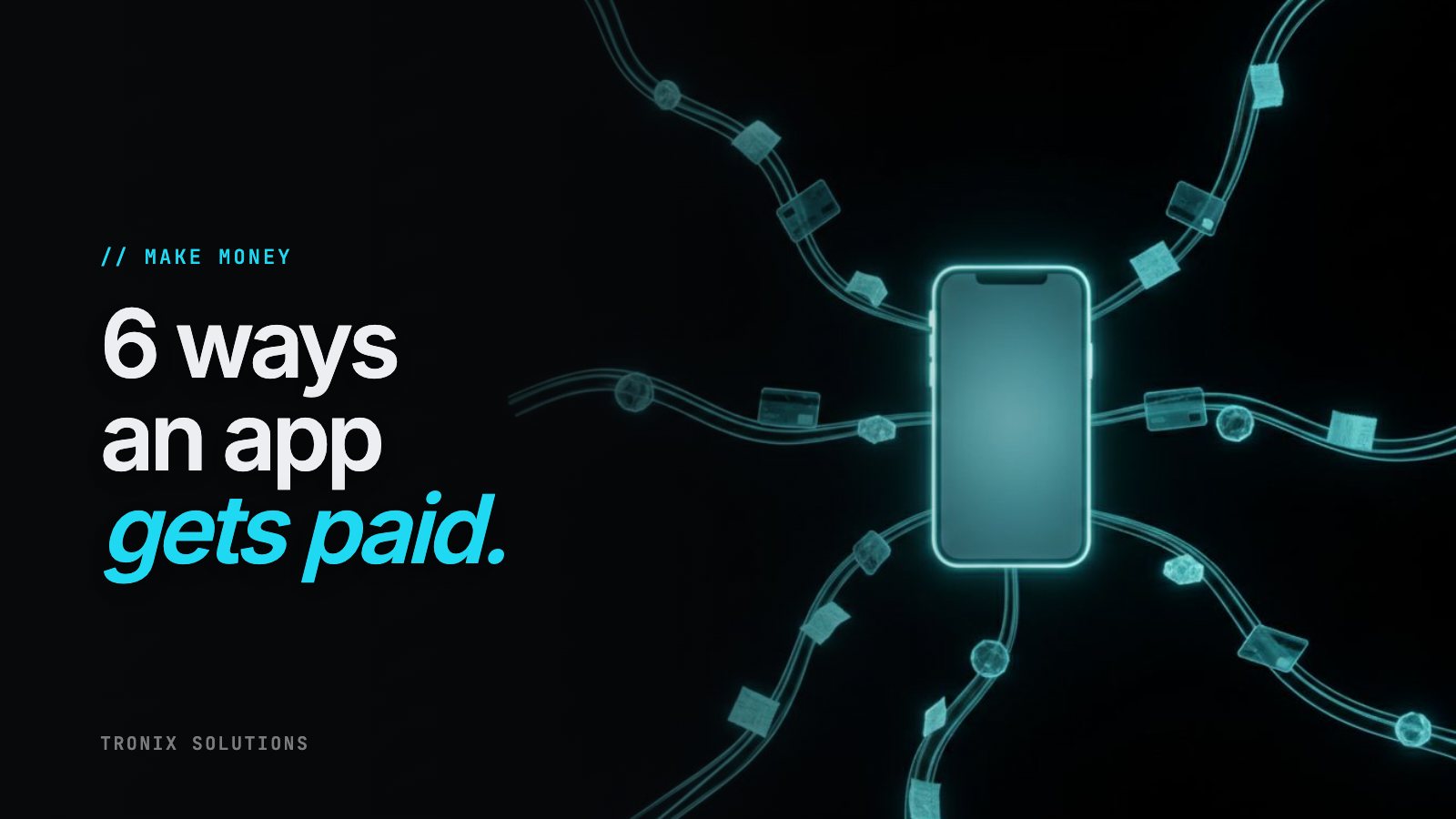
In real estate, rent is predictable income. In an app, that role is played by subscriptions. A customer signs up for a monthly or annual plan, and the app store or Stripe bills them automatically. You do not chase invoices. You do not send reminders. Each new subscriber stacks on top of the ones you already have, so income compounds month over month instead of resetting to zero.
No tenants, no repairs, no vacancy
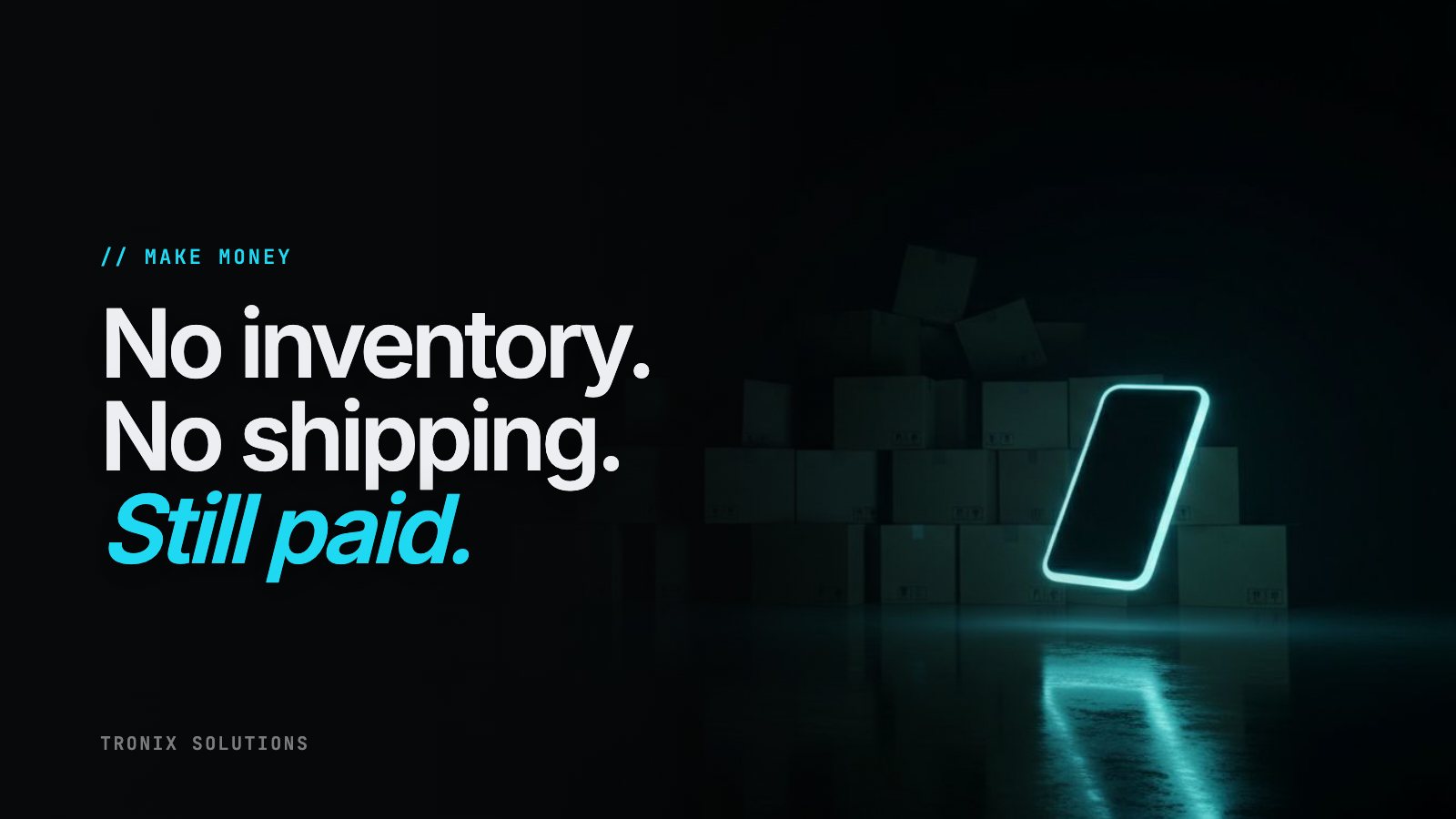
A property can only house one family at a time. When it sits empty, it costs you money. An app has no such limit. The same product can serve ten customers or ten thousand, and the cost of serving one more person is close to nothing. There are no broken water heaters, no 2 a.m. calls, and no months without rent while you search for a new tenant.
You own it, and owned things can be sold
When we build an app for you, you own 100% of the code, the brand, and the customer list. That matters because an app with steady revenue is a sellable asset. Profitable apps change hands on marketplaces the same way buildings do, typically priced as a multiple of the profit they produce. Every subscriber you add makes the asset worth more.
Where the real-estate comparison breaks down
Property has one advantage: people already know how to find it. An app needs a plan to reach its audience: App Store search, a landing page, content, or paid ads. That is why we build launch marketing into every project instead of handing you code and wishing you luck.
- Location matters in real estate. In apps, it is the problem you solve and who you solve it for.
- Maintenance matters in both. In apps it means updates, hosting, and support, which we handle.
- Appreciation matters in both. In apps it comes from users and recurring revenue.
The bottom line
If you like the idea of income that is not tied to your hours, an app is one of the few assets you can build from scratch, own outright, and grow without a building, a warehouse, or a staff. The question is not whether apps can work like real estate. It is which problem your app will solve and how it will charge for it.