You do not need code to find out whether an app idea has legs. You need a clear promise, a few honest conversations, and a way to see if people take action. Here is the week we recommend.
- Day 1: Write a one-sentence promise covering who it is for, the problem it solves, and the result they get.
- Day 2: List five places your customers already gather, like groups, forums, subreddits, and local communities.
- Day 3: Talk to five of them. Ask how they solve the problem today and what that costs them.
- Day 4: Look at the apps they already use. Read the one- and two-star reviews; that is your opportunity.
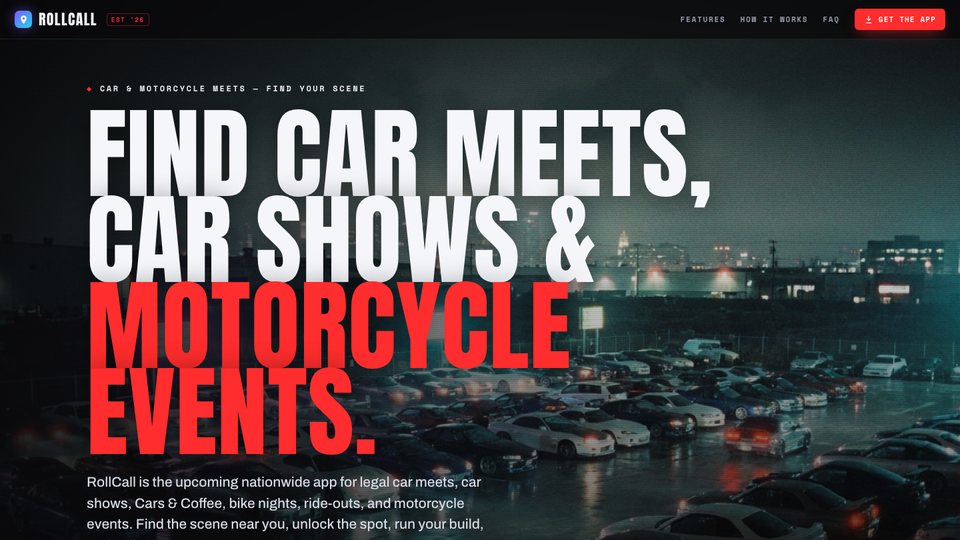
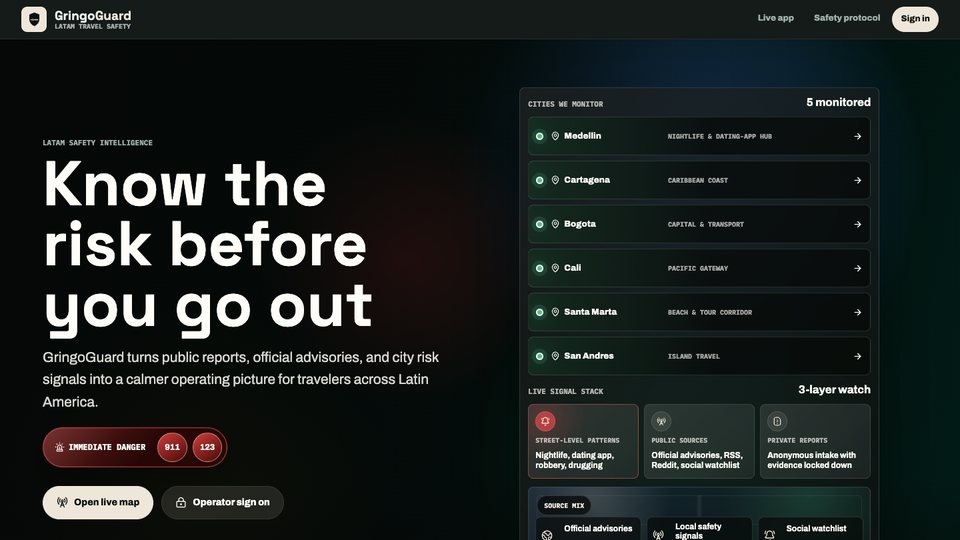
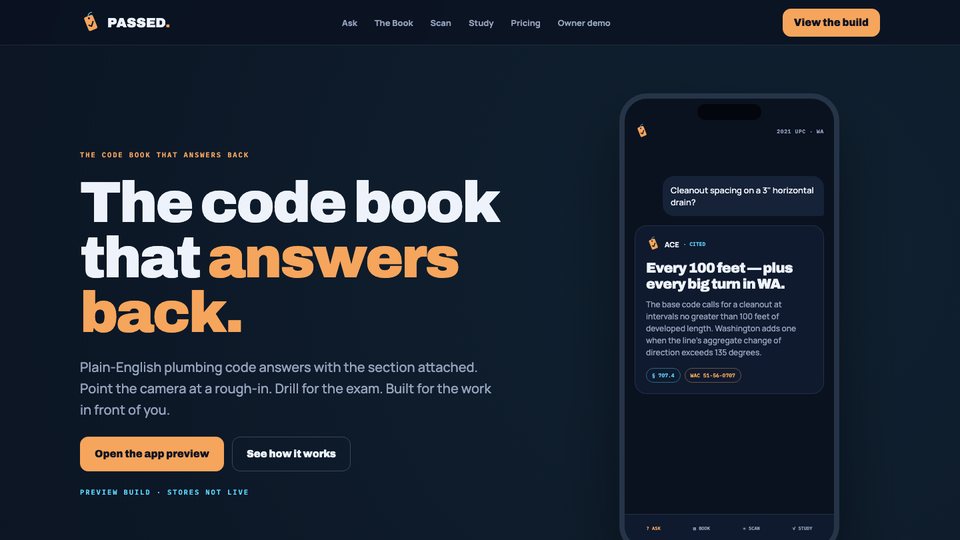
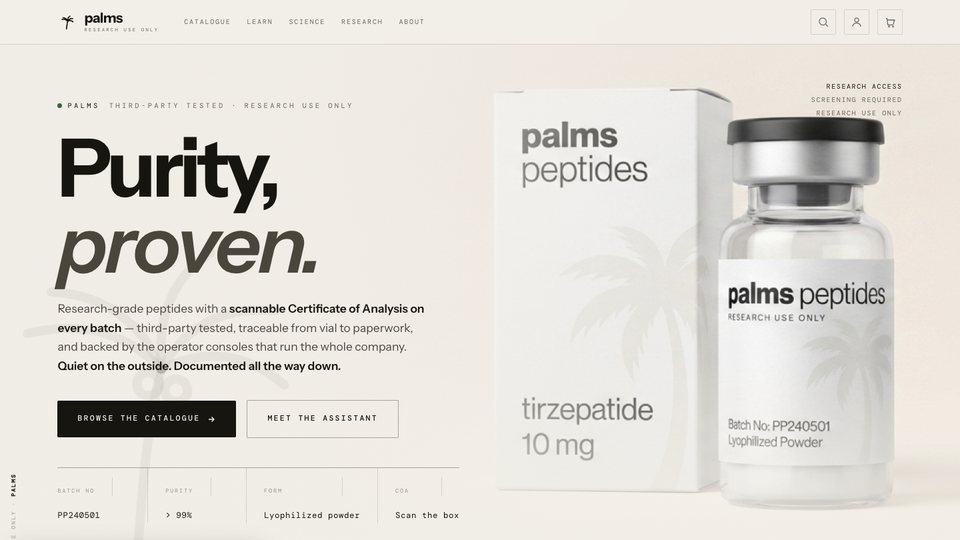
- Day 5: Put up a simple landing page with the promise and a waitlist.
- Day 6: Share it where your customers are, following the community’s posting rules.
- Day 7: Count real sign-ups and replies. Ask the most excited people what they would pay.
What a good signal looks like
- Strangers sign up without you chasing them.
- People describe the problem in their own words, with frustration.
- Someone asks when it will be ready, or offers to pay early.
What to do with the answer
When the evidence supports building, startup MVP development turns the strongest customer need into a focused first release with clear acceptance criteria.
If the signal is strong, bring what you learned to a strategy call. Real customer language makes the app better and the scope tighter. If the signal is weak, you just saved yourself the cost of a build, and you can adjust the idea and try again next week.
Choose the assumption that could change your decision
Validation is more useful when it targets a specific uncertainty. You might be unsure whether people face the problem often enough, whether their current workaround is inconvenient, or whether they can adopt a different tool. Write down the assumption before arranging interviews. Otherwise, it is easy to reinterpret any positive response as support for the product you already want to build.
Keep the proposed solution provisional. A customer may agree that your idea sounds helpful without needing it enough to change behavior. Ask what happened the last time they faced the problem, what they did, and what got in the way. Their description can reveal an existing workflow that a broad question about interest would miss.
Recruit people who actually face the problem
Define the relevant situation rather than a very broad audience. Someone who organizes recurring appointments has different needs from someone who books an appointment occasionally. Look for people with direct experience of the task you are investigating. Friends can help you practice an interview, but their encouragement should not stand in for evidence from intended users.
When approaching a community, read its rules and explain what you are researching. Avoid presenting a product as available if it is only a concept. Ask permission before recording a conversation or using a quote. Keep identifying information out of shared notes unless it is necessary and the person understands how you will use it.
Ask about behavior before showing your solution
Start with the customer’s recent experience. Ask them to walk through the steps, show the tools they used if they are comfortable, and explain where they lost time or needed help. Follow up on specific details rather than suggesting the answer. A question such as whether an automated feature would be amazing invites agreement without revealing whether the feature matters.
After understanding the problem, explain the proposed result in ordinary language. Ask what would prevent them from trying it, what information they would need to trust it, and who else would influence the decision. For a business tool, the user and the buyer may be different people. Record that difference because it affects both product scope and distribution.
Make a landing-page test honest and interpretable
A concept page should explain who the product is for, the task it would help with, and the next action available today. If that action is joining a research list, say so. Do not make a waitlist look like access to a finished app. Collect only the information you need and explain what kind of follow-up a person can expect.
Record where visitors came from alongside what they did. A sign-up from a relevant conversation means something different from a visit with no connection to the problem. Do not treat a small sample as a market forecast. Use it to choose the next question: whether the message is understood, whether the audience is appropriate, or whether people will return for a more detailed test.
Separate interest, commitment, and a usable product
A positive reply, a sign-up, and repeated use are different signals. None alone proves that a business will work. Ask what the person is committing to and what they believe they will receive. If you discuss payment for an unfinished product, make the delivery status and terms clear before accepting anything. A low-cost research step can also be a scheduled follow-up or testing a manual version of the workflow.
Group the notes by recurring problem, existing workaround, and adoption obstacle. Include evidence that argues against building. For each conclusion, keep the observation that led to it so another person can challenge your interpretation. The goal is a decision you can explain, not a collection of enthusiastic phrases.
Decide whether to build, narrow, or investigate again
At the end of the exercise, write a short decision note. Describe the intended customer, the task worth solving, the evidence you have, and the biggest uncertainty still open. If the problem is clear but the proposed solution is too broad, narrow it. If you could not reach relevant people, improve recruitment before treating silence as a verdict on the idea.
FAQ
Can a week of research prove an app will succeed?
No. It can help you understand the problem, test a message, and choose a next step. Treat the results as evidence for a limited decision, not a forecast of demand or revenue.
What if people like the idea but do not take the next step?
Ask what stopped them and compare that with their current workflow. The obstacle may be the problem, the proposed solution, trust, timing, or the effort required to try it.