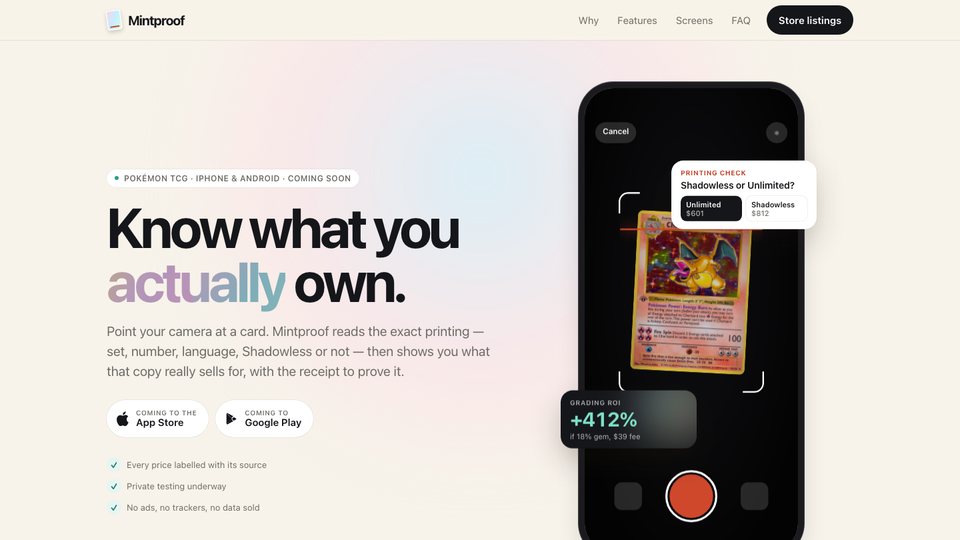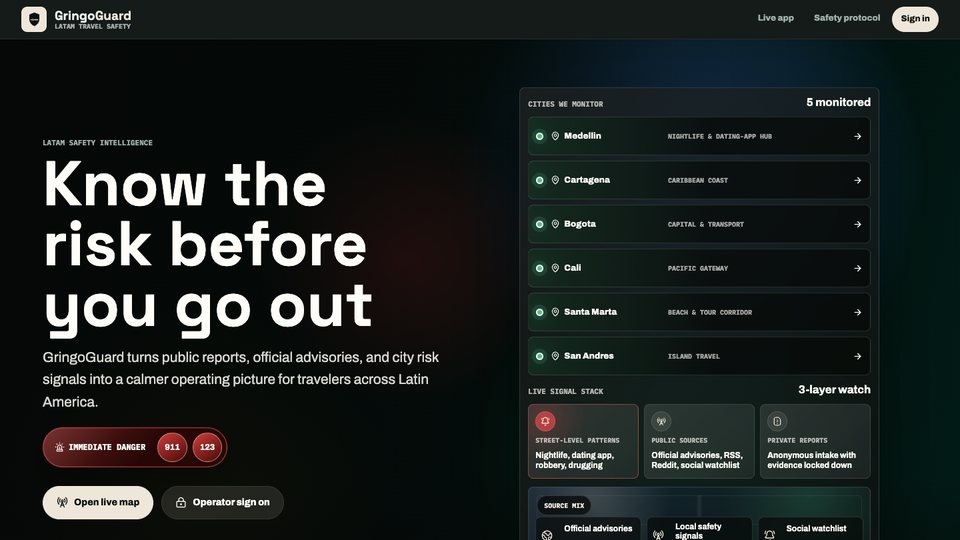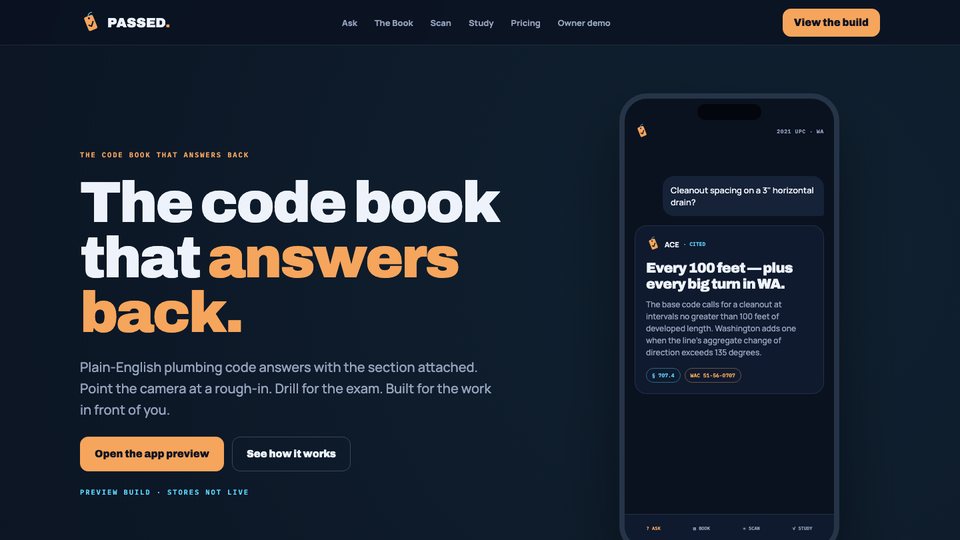
Two apps with the same features can earn wildly different amounts because of pricing decisions most founders make in an afternoon. These are the ones that matter most.
Put the paywall after the first win
Let new users feel the result before you ask for money: the first scan, the first plan, the first match. The best moment to show a paywall is right after they experience value and want more of it.
Use free trials on purpose
A short trial lowers the risk of saying yes. Remind users before it ends, and make cancelling easy. Trust keeps refunds and bad reviews down.
Lead with an annual plan
Annual plans bring cash in up front and keep customers longer. Show the monthly price next to it so the annual savings are obvious.
Price on value, not on cost
Ask what the problem costs your customer today in time, money, or stress. If your app saves them more than it costs, the price is easy to justify.
Test instead of guessing
Paywalls also need reliable account and entitlement behavior. Our web and mobile engineering service connects those screens to the backend, with testing for interrupted and unsuccessful journeys.
- Try two price points with new users and compare revenue, not just sign-ups.
- Test the paywall headline. The promise often matters more than the price.
- Watch renewals; a cheap price that churns can earn less than a higher one that sticks.
Explain the offer before asking for a decision
A paywall should answer what is included, how billing works, and what action the customer is taking. Keep the plan name, billing period, trial terms, and confirmation consistent. If the interface emphasizes one billing interval while charging another, customers may misunderstand the commitment even when both appear somewhere on the screen. Review the entire decision rather than a single headline.
Show the limits that matter to the customer’s task. If access depends on a usage allowance, identify what consumes it and what happens when it is exhausted. Avoid making a customer infer restrictions only after attempting the task. Clear terms help people decide whether the product fits before they begin a purchase.
Design the states around the paywall
The journey includes more than choosing a plan. A payment may be cancelled, delayed, declined, or completed while the app loses its connection. Decide what the interface displays in each state and how it checks for the authoritative result. Repeated taps should not create confusing duplicate actions. A loading indicator needs a recovery path when the result remains uncertain.
Consider returning customers too. Someone may reinstall the app, change devices, or sign in with a different method. Explain how they can restore access or find help. Distinguish the app account from the purchasing account where that distinction exists. Testing these cases can reveal problems that a successful first purchase will never show.
Choose a trial around the task
A trial should let someone evaluate the actual value of the product. Ask which task they can reasonably attempt and what guidance helps them reach it. If setup is complicated, removing that friction may be more useful than extending access. Avoid assuming that a longer trial automatically creates a better evaluation.
Make the transition out of a trial understandable. Explain whether billing follows, when access changes, and how someone can manage the arrangement. The wording should match the payment mechanism and the product’s behavior. Treat reminders and support instructions as part of the experience to review, not as substitutes for clear terms at the point of agreement.
Evaluate annual plans with the customer’s context
An annual option asks someone to make a longer commitment. That may fit a product they already understand, while a new customer may prefer flexibility as they evaluate the task. Present the available choices clearly and avoid obscuring the total commitment behind a comparison. A plan should be selected because the person understands it, not because another option is difficult to find.
Consider what access looks like throughout the billing period and after cancellation. Cancellation of future renewal and immediate loss of current access are different behaviors. Document the intended behavior and test it with the payment system. Do the same for refunds and administrative changes so the interface does not contradict the underlying entitlement.
Make an experiment answer one question
Decide whether you are testing the offer, the explanation, the placement, or the timing of the paywall. Changing all of them at once makes the result hard to interpret. Record what a customer saw and the relevant steps they completed, using only the information needed for the experiment. Keep the meaning of each event consistent between versions.
Look beyond the initial purchase action. Consider failed transactions, support questions, cancellations, and whether customers complete the promised task. These observations can reveal confusion that a conversion total hides. A small or unrepresentative sample should lead to another question rather than a confident claim about what every future customer will do.
Review copy and behavior together
Walk through the offer as a new customer, then as someone restoring an earlier purchase. Read every confirmation and error message in context. Ask another person to explain what they think they bought and how to manage it. Use any mismatch to improve clarity before promoting the offer more widely.
Write a purchase review checklist
Before releasing a change, inspect the selected plan, the confirmation, the resulting access, and the account-management path. Include a cancelled attempt and a returning customer. Record what the product should display at each stage so someone else can repeat the check. Keep that checklist aligned with the actual payment configuration. A polished paywall can still be misleading if the product grants different access from what the customer was shown.
FAQ
Where should a paywall appear?
Place it where the customer can understand the offer and why the paid capability matters. Test the complete journey, including whether the person can evaluate the core result before deciding.
Is an annual plan always the right default?
No. Consider the customer’s familiarity with the product and the commitment they understand. Make the available choices and billing terms clear, then evaluate behavior and support feedback.