Launching is not the finish line; it is the start of the part that makes money. These five channels, used in this order, are how new apps reach their first thousand users without burning cash.
1. A store listing that sells
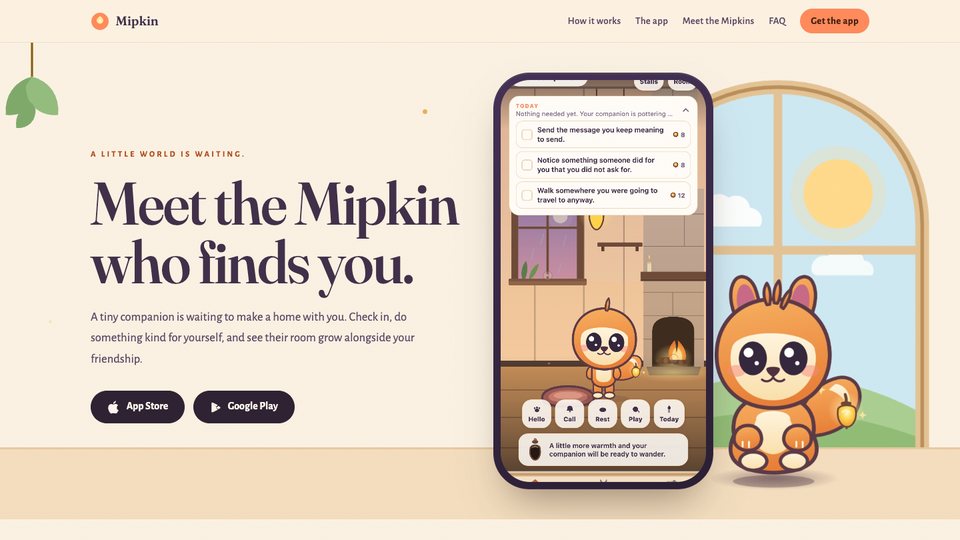
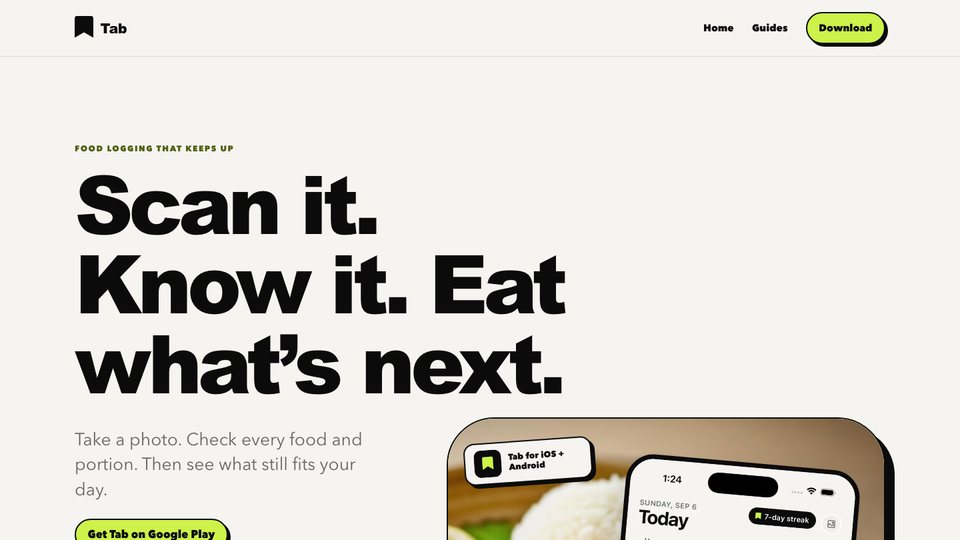
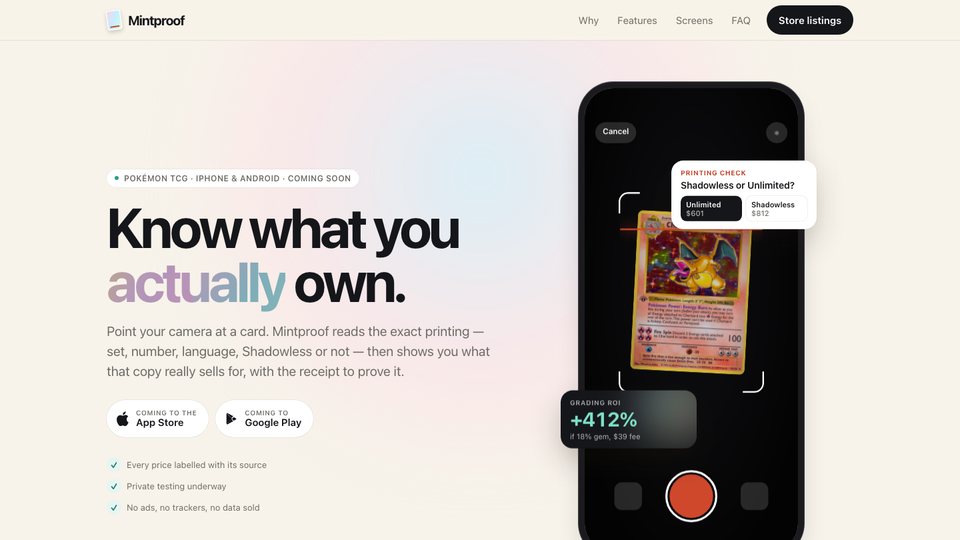
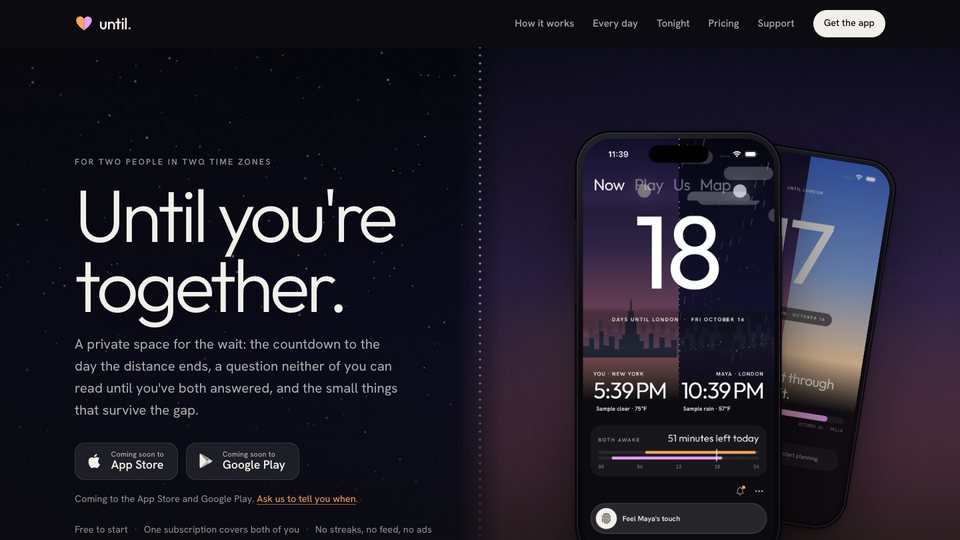
Most people decide in a few seconds from your icon, title, and first two screenshots. Write them like ads: lead with the result, not the feature. Use the words your customers used in your validation conversations.
2. Your warm audience
Email your waitlist, post where you validated the idea, and ask your first users to share it. Early users who feel like insiders become your loudest promoters.
3. A landing page that ranks
A fast landing page with clear answers to the questions people search for keeps working long after launch day.
4. Short-form content
Screen recordings of the app solving the problem, before-and-after moments, and founder stories travel well on TikTok, Reels, and Shorts.
5. Paid ads, once you can measure
Ads work when you can see which users stay and pay. That is why we install conversion tracking and analytics before launch, so every dollar of ad spend can be judged by revenue, not clicks.
Acquisition only helps if new users can complete the core task. Our web and mobile app development work includes the onboarding and error states that make that first experience usable.
Define what you mean by a user
A visitor, an install, a registered account, and a person completing the main task are different observations. Decide which behavior would show that someone has experienced the product’s intended value. A launch plan becomes easier to interpret when the team shares that definition. Otherwise, one person may celebrate traffic while another is investigating abandoned onboarding.
Write the journey from the invitation to that behavior. Note the steps where someone must create an account, grant permission, or supply information. Each request should have an understandable purpose. Before increasing promotion, try the journey yourself from a new account and check that the promise in the invitation matches the available product.
Choose a channel based on audience fit
Start where people already discuss the problem you solve. That might be a professional community, a relevant newsletter, search, or your existing research contacts. Read the rules and participate in a way that helps the audience. Posting the same promotional message everywhere makes it harder to learn which problem or message brought someone to the app.
For each channel, write a hypothesis about who you expect to reach and why they would care. Use a landing page or store listing that answers the questions that audience is likely to bring. Keep the next step clear. A person arriving from a detailed tutorial may need a different explanation from someone seeing a short demonstration without context.
Invite feedback around a task
Ask early users to try a specific workflow and describe what happened. Broad requests for thoughts can produce praise without revealing obstacles. Watch where someone pauses, what they expect a button to do, and whether they can find their result again. Ask permission before observing or recording, and avoid collecting information unrelated to the task.
Separate product failures from message failures. Someone may understand the offer and encounter a broken step, or they may complete onboarding without understanding why the product matters. Those situations need different changes. Keep the original observation so a later improvement can be checked against the same problem.
Read acquisition alongside product behavior
A channel that brings visits does not necessarily bring people with the problem your app solves. Compare how people arrive with whether they reach the intended useful moment and return when the task recurs. Use measurements that your product can collect appropriately, and document what each event means. Do not treat an event name as proof that the underlying action completed.
For example, pressing a purchase button and receiving usable access are separate steps. An invitation sent and an invited person completing a task are also separate. Reviewing the sequence can reveal a broken handoff. Keep collection limited to what helps answer the product question and avoid placing sensitive content in analytics records.
Create a repeatable learning loop
After a launch experiment, record the audience, message, entry point, and behavior you observed. Note what you changed and what remained uncertain. Choose the next experiment to address that uncertainty. If onboarding is failing, improving the flow may be more useful than adding another channel. If the product works but the audience is wrong, revisit where and how you invite people.
Keep support observations close to the launch plan. Questions about the same step can suggest a clearer explanation, a better default, or a missing recovery path. Check the effect of a change before building a larger campaign around it. This keeps acquisition work connected to the experience people actually receive.
Treat the headline as an ambition
A first-user goal can focus effort, but it is not an outcome any channel guarantees. Plan around what you can inspect: a clear offer, a working journey, relevant invitations, and a record of what you learn. Let those observations guide the next release and the next outreach activity rather than treating a target as evidence of future growth.
Preserve the context behind feedback
Keep a note of which version a person tried and what they were trying to accomplish. Feedback about an earlier flow can remain useful, but it should not be mistaken for evidence about the current experience. When you make a change, return to the task that prompted it and check whether the obstacle is resolved. This small discipline helps the team avoid repeatedly debating an issue without establishing whether the product has improved.
FAQ
Should I advertise immediately after launching?
First check that the intended journey works and that you can understand where users stop. Paid acquisition is easier to evaluate when the audience, message, and useful product behavior are clearly defined.
What should I learn from early users?
Learn whether they understand the offer, can complete the main task, and have a reason to return. Ask about specific behavior and obstacles rather than relying only on general feedback.